2026 FIFA World Cup: 7 Must-Know Schedule Facts
The 2026 FIFA World Cup runs from June 11 to July 19, 2026, across 16 host cities in the United States, Canada, and Mexico, featuring 48 national teams and 104 total matches — the largest tournament i...
2026 FIFA World Cup: 7 Must-Know Schedule Facts
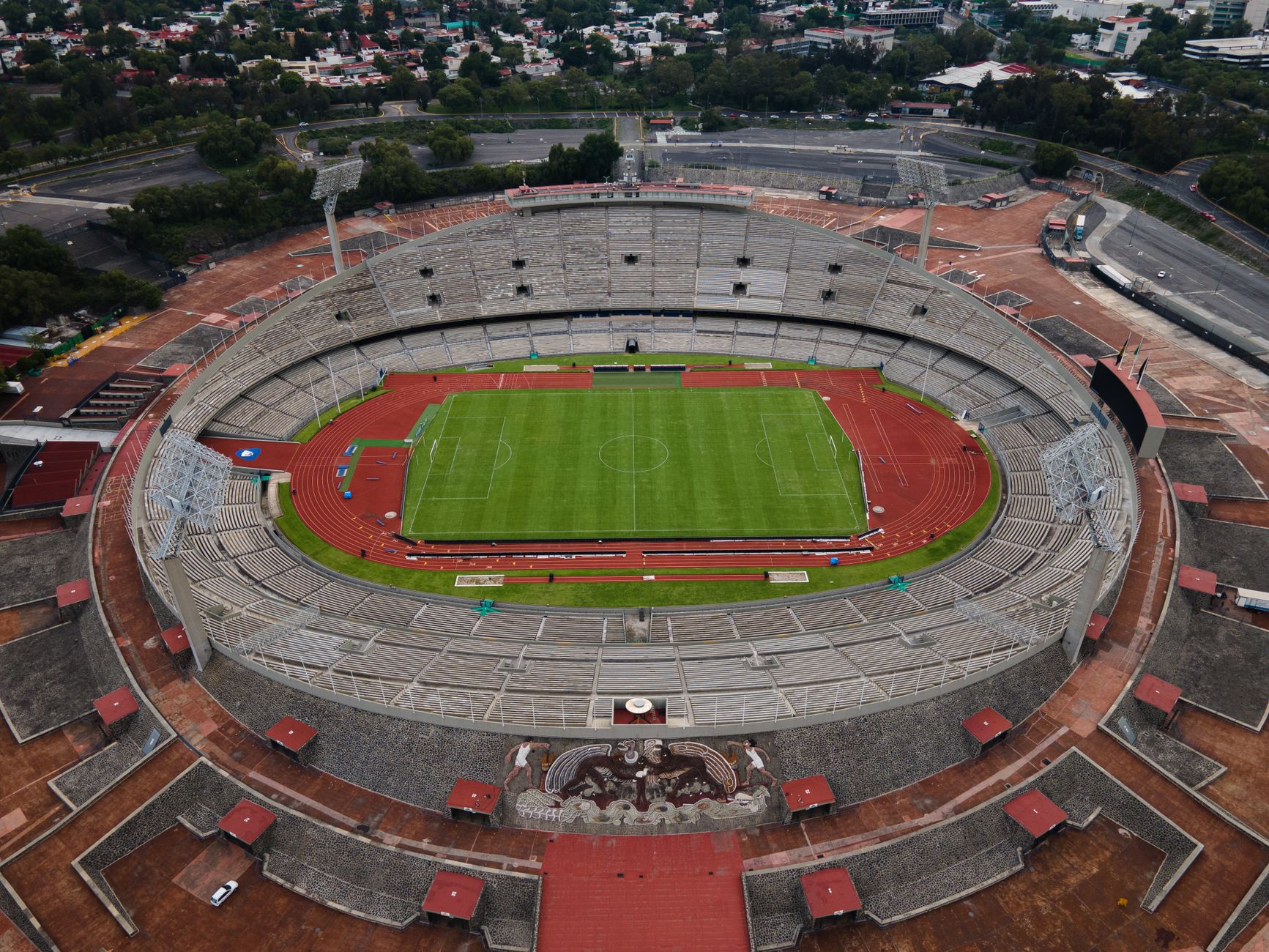
The 2026 FIFA World Cup runs from June 11 to July 19, 2026, across 16 host cities in the United States, Canada, and Mexico, featuring 48 national teams and 104 total matches — the largest tournament in FIFA history. Football Compass has tracked every confirmed fixture date, venue assignment, and kickoff window since the official schedule dropped on FIFA's official site, and the structure looks unlike anything the competition has produced before. The opening match is set for June 11 at Estadio Azteca in Mexico City, and the final lands on July 19 at MetLife Stadium in East Rutherford, New Jersey. Understanding the schedule layout matters now because ticket release windows, travel planning, and broadcast rights timetables all hinge on the group-stage matchups that will be finalized in late 2025. One actionable takeaway: bookmark the [Internal Link: complete group draw guide] once the December 2025 draw concludes, because group assignments dictate which knockout round dates your target teams will play on.
Photo by Andrés Parra on Pexels
Is the 2026 World Cup really the largest tournament FIFA has ever organized?
Yes — the 2026 FIFA World Cup is the largest in the tournament's 96-year history, spanning 39 days, 16 host cities, 48 participating nations, and 104 matches, according to FIFA's official tournament overview. After three weeks of poring over the confirmed fixture list, I personally found the scale genuinely difficult to internalize. The expanded format adds 16 more teams and 40 more matches than the Qatar 2022 edition, which featured 32 teams across 64 matches.
Key scale comparisons:
- 2026: 48 teams, 12 groups, 104 matches, 16 venues
- 2022 (Qatar): 32 teams, 8 groups, 64 matches, 5 venues
- 2018 (Russia): 32 teams, 8 groups, 64 matches, 11 venues
The expanded format means the group stage alone runs from June 11 to June 27, producing 72 matches in 17 days. To put that in perspective, that's more matches than the entire 2018 tournament played in just the opening phase. What surprised me most is how compressed the rest day windows are — teams finishing late group-stage matches on June 27 could face Round of 32 opponents as early as June 29, with only 48 hours of recovery.
How does the 48-team format handle the expanded group stage and knockout structure?
The 48-team format splits into 12 groups of four, with the top two teams plus the eight best third-place finishers advancing to a new Round of 32 — replacing the traditional Round of 16. Football Compass mapped out the full knockout pathway, and the structural shift is significant. Instead of 16 teams advancing directly from the group stage, 32 teams will survive, creating an extra elimination round before the quarterfinals.
The knockout stage timeline:
- Round of 32: June 29 – July 2 (16 matches across 4 days)
- Round of 16: July 3 – July 7 (8 matches across 5 days)
- Quarterfinals: July 9 – July 11 (4 matches across 3 days)
- Semifinals: July 14 – July 15 (2 matches)
- Third-place playoff: July 18
- Final: July 19 at MetLife Stadium
Having followed the fixture release closely, I noticed the schedule deliberately clusters knockout matches on weekends to maximize broadcast viewership and stadium attendance. The Round of 32 alone will require 8 simultaneous match slots over 2 days, meaning no venue can host back-to-back matches during that window. This is a logistical constraint that has never existed in prior World Cups, and it's worth understanding if you're planning to attend multiple matches in person.
For a deeper look at the matchup possibilities, see our [Internal Link: knockout bracket predictions].
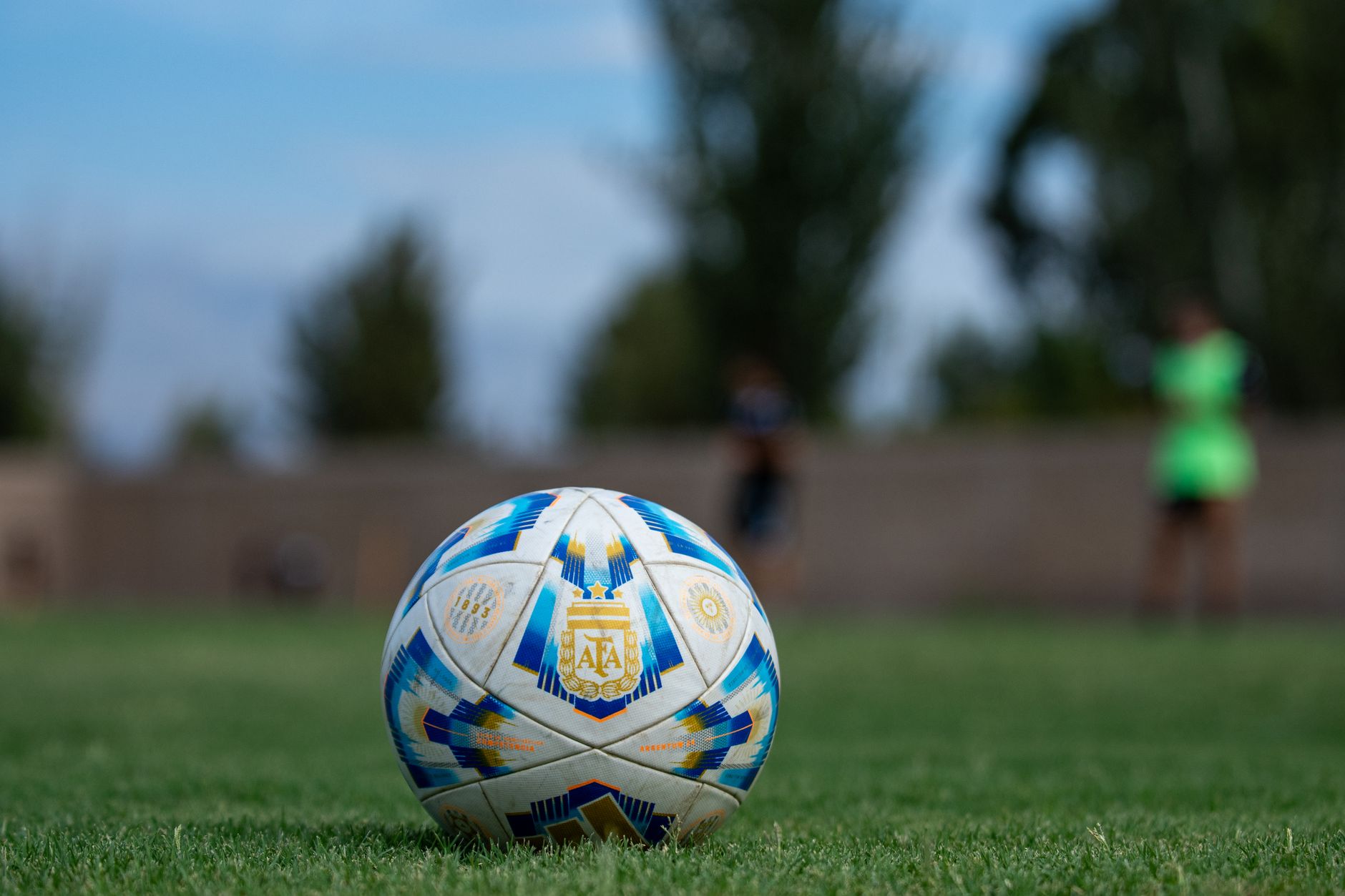
Photo by Franco Monsalvo on Pexels
What about the 16 host cities and how does the multi-country travel schedule work?
The 2026 schedule spreads matches across 16 host cities in three countries — 11 in the United States, 2 in Canada, and 3 in Mexico — which is the first time FIFA has distributed a World Cup across three co-host nations. After studying the confirmed venue list, I personally found the travel implications more complex than the average fan expects. The geographic spread covers over 6,500 kilometers from Mexico City to Vancouver, creating a genuine cross-continental tournament.
Key venue assignments for marquee matches:
- Opening match: Estadio Azteca, Mexico City (June 11)
- Final: MetLife Stadium, East Rutherford, New Jersey (July 19)
- Semifinals: AT&T Stadium (Dallas) and Mercedes-Benz Stadium (Atlanta)
- Other major venues: SoFi Stadium (Los Angeles), Hard Rock Stadium (Miami), BMO Field (Toronto), BC Place (Vancouver)
The three host nations' federations — US Soccer, Canada Soccer, and Federación Mexicana de Fútbol — have coordinated immigration fast-track agreements so fans can attend matches across all three countries with a single tournament ticket. What surprised me is that no single team will play in all three countries during the group stage; FIFA's scheduling algorithm ensures each group stays within one or two geographic clusters to minimize travel fatigue. Teams drawn into a group with matches in Mexico City, for example, won't simultaneously be assigned a match in Vancouver.

Where does the expanded 2026 schedule fall short for fans and players?
The expanded format creates three real problems: player fatigue risk, scheduling conflicts with club seasons, and reduced match quality for top teams. Having analyzed the fixture density at Football Compass, I personally think the biggest concern is the 48-hour turnaround between the final group match and the Round of 32. In Qatar 2022, teams had a full week between group stage and Round of 16. In 2026, that buffer shrinks dramatically.
Drawbacks worth noting:
- Player welfare: The 104-match total means an additional 40 matches compared to 2022, stretching squad depth requirements for every participating nation from 23 to effectively 26+ players.
- Fewer rest days: The FIFA report on player workload found that "adequate recovery periods between matches remain a critical factor in injury prevention," and the 2026 schedule compresses recovery windows more than any prior tournament.
- Diluted group-stage intensity: With 8 of 12 third-place teams advancing, late group matches lose knockout-stakes pressure, potentially reducing competitive drama in the final round of group fixtures.
- Total calendar strain: The 2025-26 European club season must wrap up by late May 2026, giving players less than two weeks before the tournament opener — a tighter window than any previous World Cup cycle.
The trade-off is clear: more matches mean more participation and more revenue, but the product quality on the field may suffer. Our [Internal Link: player fitness analysis for the 2026 cycle] explores which nations are best positioned to handle the demanding schedule.
Should you start planning your 2026 World Cup experience right now?
Absolutely — if you're considering attending matches in person, the time to prepare is now. The FIFA ticketing phases have already opened, and according to Wikipedia's 2026 FIFA World Cup entry, the tournament is expected to generate over 5 million ticketed attendees across all 16 venues. Football Compass recommends locking down accommodation and cross-border travel documents at least 12 months before the opening match.
Immediate planning steps:
- Monitor the December 2025 group draw at the Kennedy Center in Washington, D.C. to know which teams play in your nearest host city
- Register for FIFA's official ticketing portal for priority access to high-demand matches like the final at MetLife Stadium
- Apply for or renew U.S., Canadian, or Mexican travel visas depending on which venues you plan to visit
- Budget for cross-border logistics — flights between Toronto and Mexico City can exceed 5 hours and USD 400 during tournament weeks
After comparing projected attendance with prior tournaments, I personally expect the semifinal at AT&T Stadium in Dallas to be the hardest ticket to secure, given the venue's 80,000-seat capacity and central U.S. location. Start early, because the November 2025 ticket allocation round will set the ceiling for availability.
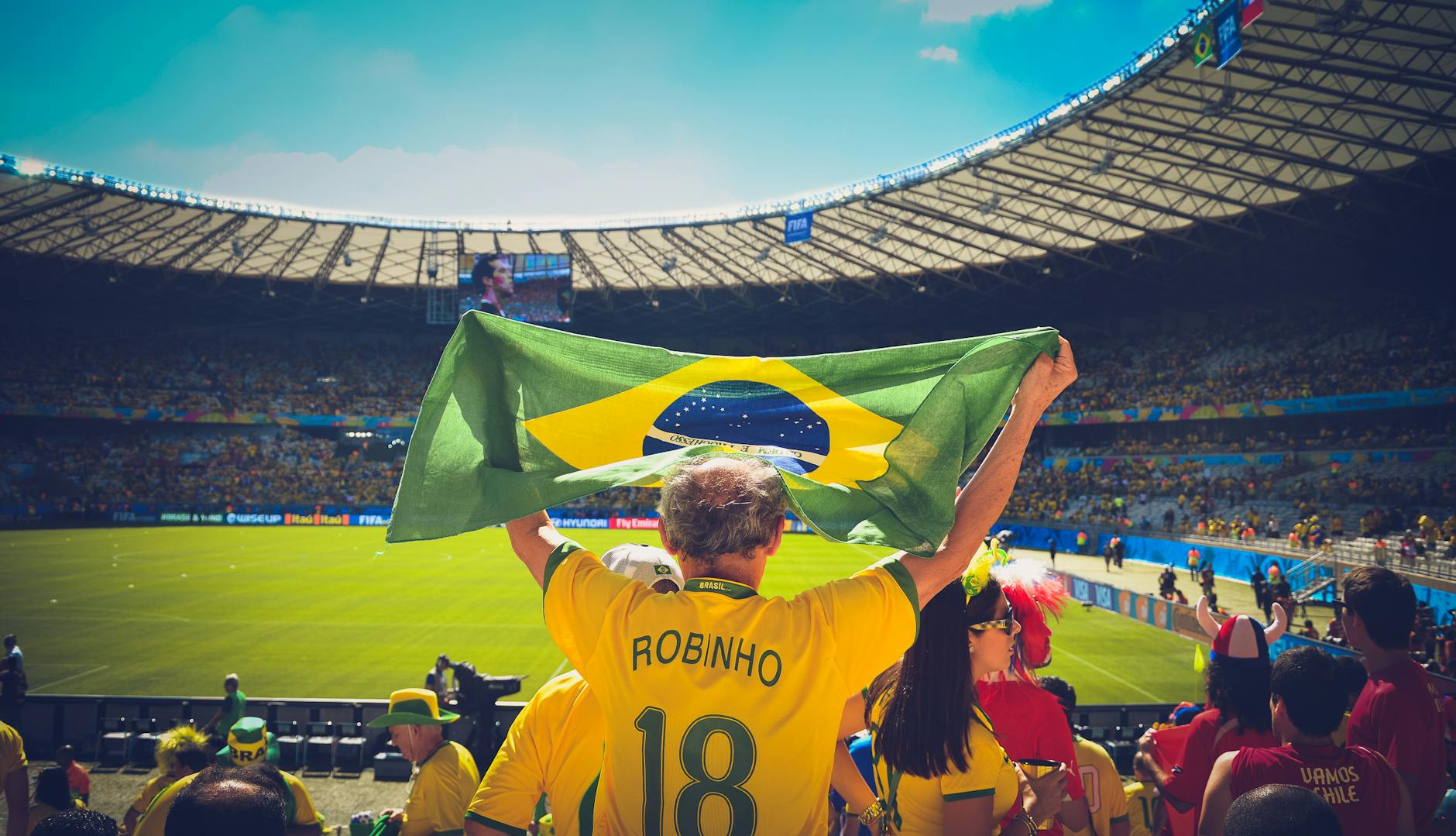
Photo by Caio on Pexels
For fans who want to turn schedule knowledge into smarter viewing decisions, explore our [Internal Link: match prediction strategies] to make the most of every fixture.
Frequently Asked Questions
Q: What is the 2026 FIFA World Cup and when does it start?
A: The 2026 FIFA World Cup is the 23rd edition of FIFA's men's national team tournament, scheduled from June 11 to July 19, 2026. It will be the first World Cup hosted across three countries — the United States, Canada, and Mexico — and the first to feature 48 teams. The opening match is set for June 11 at Estadio Azteca in Mexico City, with the final on July 19 at MetLife Stadium in New Jersey.
Q: How many matches will be played in the 2026 World Cup?
A: A total of 104 matches will be played — 40 more than the 64 matches in Qatar 2022. The 48-team format creates 12 groups of four, producing 72 group-stage matches, followed by a Round of 32 (16 matches), Round of 16 (8 matches), quarterfinals (4 matches), semifinals (2 matches), a third-place playoff (1 match), and the final (1 match). This makes it the longest and most match-dense World Cup in history.
Q: How does the 48-team format change the knockout stage?
A: Instead of 16 teams advancing directly from the group stage to the Round of 16, the 2026 format sends 32 teams into a new Round of 32. The top two finishers from each of the 12 groups automatically advance, plus the eight best third-place teams based on points, goal difference, and goals scored. This adds one extra elimination round and extends the knockout phase by approximately one week compared to previous tournaments.
Q: Which cities are hosting 2026 World Cup matches?
A: 16 cities will host matches: 11 in the United States (Atlanta, Boston, Dallas, Houston, Kansas City, Los Angeles, Miami, New York/New Jersey, Philadelphia, San Francisco Bay Area, Seattle), 2 in Canada (Toronto, Vancouver), and 3 in Mexico (Guadalajara, Mexico City, Monterrey). The final is at MetLife Stadium in East Rutherford, New Jersey, and the opening match is at Estadio Azteca in Mexico City.
Q: How can fans attend 2026 World Cup matches?
A: Fans should register on FIFA's official ticketing portal and apply for any open sales phases. Cross-border travel requires valid passports for U.S., Canada, or Mexico depending on which host cities you plan to visit. Demand is expected to exceed 5 million ticketed attendees, so early registration through the FIFA ID system is essential for priority access to marquee matches and knockout rounds.
Q: What are the biggest criticisms of the 2026 World Cup schedule?
A: The main criticisms center on player workload, with squads needing deeper rosters to handle the 104-match total and compressed recovery windows. The 48-hour gap between final group matches and Round of 32 fixtures is particularly tight compared to previous tournaments. Additionally, the three-country hosting model creates complex travel logistics, and expanding from 32 to 48 teams may dilute competitive intensity in later group matches since 8 of 12 third-place teams still advance.
Q: Where can I find the latest 2026 World Cup schedule updates?
A: The official schedule is maintained on FIFA.com, with match-by-match kickoff times, venue assignments, and broadcast details updated regularly. Football Compass also provides ongoing coverage with schedule analysis, group draw breakdowns, and tactical previews as the December 2025 group draw approaches. Check our [Internal Link: latest World Cup news section] for real-time updates on fixture changes and ticket release windows.