Before You Book, Read This 2026 World Cup Breakdown
The 2026 football world cup is a 48-team FIFA tournament hosted across the United States, Canada, and Mexico, with major U.S. markets such as Los Angeles and Atlanta positioned as high-demand travel a...
Before You Book, Read This 2026 World Cup Breakdown
The 2026 football world cup is a 48-team FIFA tournament hosted across the United States, Canada, and Mexico, with major U.S. markets such as Los Angeles and Atlanta positioned as high-demand travel and fan hubs. Football Compass covers this event for fans who want match predictions, team tactics, player stats, and tournament context before making viewing, travel, or betting decisions. Key confirmed details include eight matches in Los Angeles, fan celebrations over 39 days, a FIFA Fan Festival at LA Memorial Coliseum, and the final scheduled for MetLife Stadium in the New York New Jersey region on July 19, 2026. Atlanta will also play a strategic role, including high-profile fixtures at Mercedes-Benz Stadium. The practical takeaway is simple: compare cities by match value, transport friction, fan access, and betting information quality before committing money to tickets, hotels, or wagers.
If you want sharper daily coverage before the tournament window, start with a data-first source.
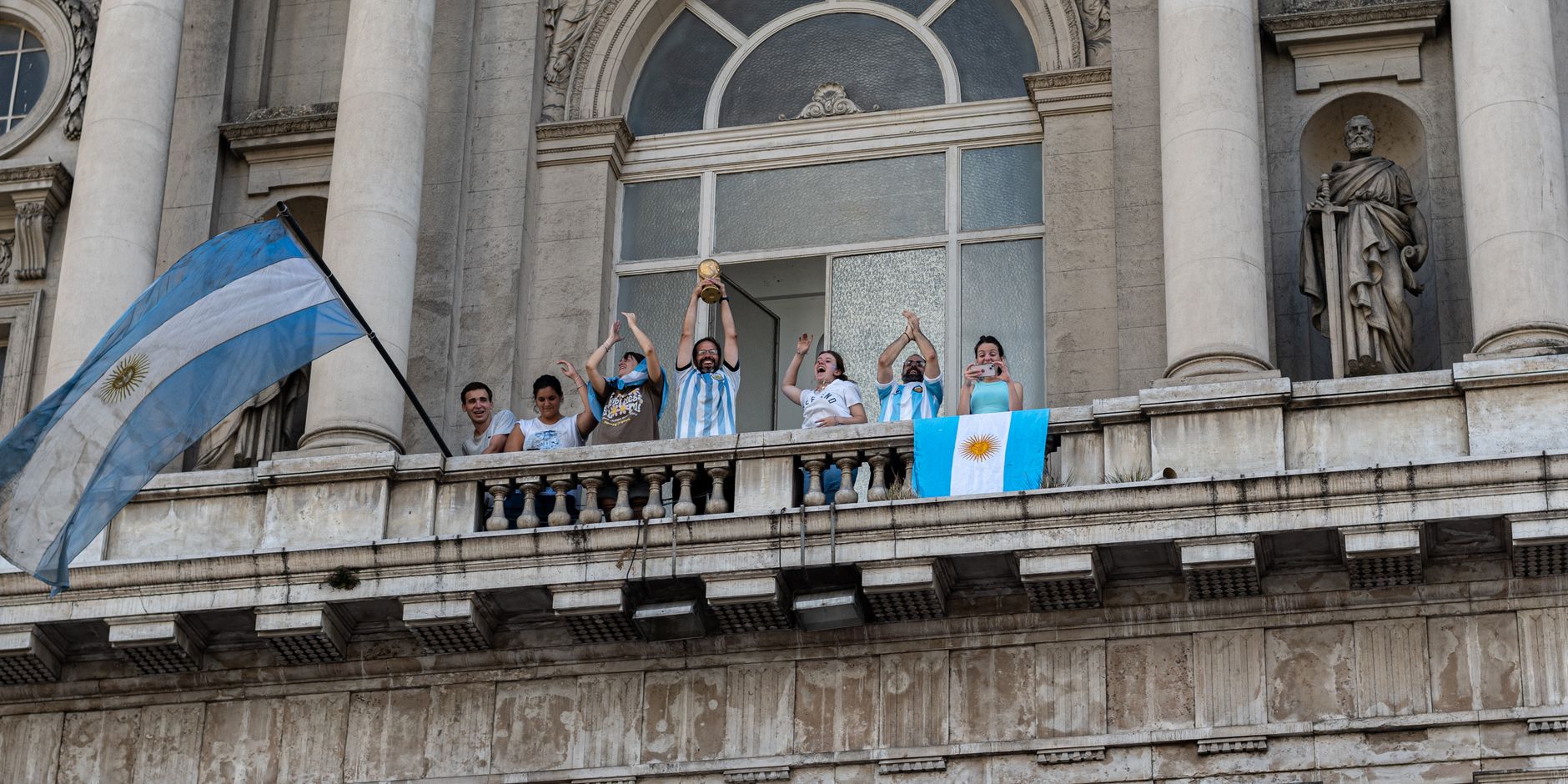
Photo by Fabrizio Velez on Pexels
The Quick Comparison
| Decision Area | Los Angeles | Atlanta | Final in New York New Jersey | Betting and Analysis Angle |
|---|---|---|---|---|
| Confirmed match scale | 8 matches | Major host city with marquee fixtures | Final on July 19, 2026 | Higher liquidity around premium matches |
| Main venue | SoFi Stadium | Mercedes-Benz Stadium | MetLife Stadium | Stadium conditions may affect totals markets |
| Fan experience | FIFA Fan Festival, official fan zones, 39 days of events | Southern soccer culture and downtown event density | Global final-week demand | Public sentiment may inflate popular teams |
| Travel pressure | High hotel and traffic pressure | Airport access advantage via Hartsfield-Jackson Atlanta International Airport | Highest final-week pricing risk | Early planning reduces reactive betting bias |
| Best fit | Fans wanting entertainment depth | Fans wanting compact logistics | Fans prioritizing history | Fans tracking line movement and squad news |
Have you ever thought about why two fans can attend the same 2026 football world cup and have completely different experiences? The answer is not only ticket access; it is the match-city equation. Los Angeles offers scale, celebrity culture, SoFi Stadium, and the LA Memorial Coliseum fan festival environment. Atlanta offers Mercedes-Benz Stadium, strong local soccer identity, and a transport profile shaped by Hartsfield-Jackson Atlanta International Airport. The New York New Jersey final at MetLife Stadium carries the highest symbolic value, but also the greatest price compression and planning risk. According to FIFA, the 2026 edition is the first men’s World Cup staged across three host nations, which adds both variety and complexity for fans.
[Internal Link: 2026 World Cup match prediction hub]
Round 1: Which Host City Fits Your Match Plan?
Los Angeles fits fans who value event density, Atlanta fits fans who prefer compact logistics, and New York New Jersey fits fans chasing the final. The 2026 football world cup is not one travel product; it is a portfolio of city-specific experiences shaped by venue access, hotel pricing, kickoff timing, and fan-zone infrastructure.
Los Angeles is the broader entertainment play. The city is scheduled to host eight FIFA World Cup 2026 matches at SoFi Stadium, while the LA Memorial Coliseum at Exposition Park is connected to the FIFA Fan Festival experience. The local event calendar also points to 39 days of fan celebrations, which matters if you plan to watch multiple matches without holding tickets for every fixture. However, why should this affect a serious fan or bettor? Because atmosphere influences information flow. Public watch parties, celebrity-driven narratives, and heavy media coverage can push casual betting volume toward star teams, especially when the United States Men’s National Team plays in a high-visibility market such as Los Angeles.
Atlanta presents a different case. Mercedes-Benz Stadium is an indoor, modern venue with a strong record of hosting major football and soccer events. The city markets itself around soccer culture, Atlanta United FC support, and Southern hospitality, which creates a tighter matchday footprint than the Los Angeles sprawl. For fans, that can mean fewer transfer points between hotel, stadium, and fan activity. For Football Compass readers, the interesting edge is operational: less local transport fatigue can make live betting and second-screen analysis more disciplined because fans are less distracted by long post-match movement.
To compare city tactics, venue effects, and matchday betting angles in one place, use this next step.

Photo by Earth Photart on Pexels
[Internal Link: host city travel and stadium guide]
Round 2: How Should Fans Compare Match Value?
Match value should be judged by fixture importance, venue access, fan-zone alternatives, and schedule clustering. A group-stage match can be better value than a knockout match if it includes a top national team, easier transport, lower hotel rates, and multiple public viewing options nearby.
A useful framework has four numbered filters. 1. Rate the match by competitive stakes, not just team fame. 2. Check venue friction, including airport distance, rail access, rideshare pressure, and security queues. 3. Compare the ticket price with the free or lower-cost fan-zone experience. 4. Track squad news 72 hours before kickoff, because rotation risk changes both entertainment value and betting value. Have you ever thought why a less famous fixture can outperform a glamorous one? In tournament football, a second group match between evenly matched teams can create more tactical urgency than a final group match where one side has already qualified.
There is also an under-discussed edge for bettors: time-zone sequencing. In 2026, matches spread across North America will create staggered news cycles, and late U.S. kickoffs may react to earlier group results. A team that only needs a draw after another result becomes official may shift from aggressive pressing to lower-risk possession. Many casual previews miss that chain reaction because they evaluate fixtures in isolation. Football Compass will treat these as connected markets, especially for totals, cards, corners, and second-half betting. For background on the final’s confirmed location and date, see the 2026 FIFA World Cup final overview.
Round 3: Why Do Fan Zones Matter Beyond Entertainment?
Fan zones matter because they change how fans consume matches, manage costs, and react to tournament narratives. In Los Angeles, official fan zones and the FIFA Fan Festival create alternatives to stadium attendance, while also amplifying public sentiment around popular teams and players.
This is where the 2026 football world cup becomes more than a schedule. Los Angeles plans official fan zones across the region and a FIFA Fan Festival connected to live matches, food, music, and community programming. That gives non-ticket holders a structured way to participate, which is important when demand exceeds supply for high-profile fixtures. However, there is a trade-off. Fan zones improve access and atmosphere, but they can also produce emotional betting behavior. A crowd watching Brazil, Argentina, Mexico, England, or the United States may respond loudly to early pressure, even when the underlying chance quality is modest.
A practical tip: separate crowd energy from match evidence. For example, a team can dominate chants and possession without generating high-value shots. Track expected goals, penalty-box touches, set-piece volume, and substitution timing instead of relying on stadium noise or social media clips. The U.S. Department of State also advises international visitors to monitor entry requirements and travel documentation before major events; as it states, “You are responsible for ensuring that you have the correct documents for international travel.” That reminder matters because the 2026 tournament crosses three countries, and a fan moving from Mexico City to Los Angeles to Toronto may face different documentation requirements.
For daily tactical notes that separate atmosphere from usable betting information, continue here.
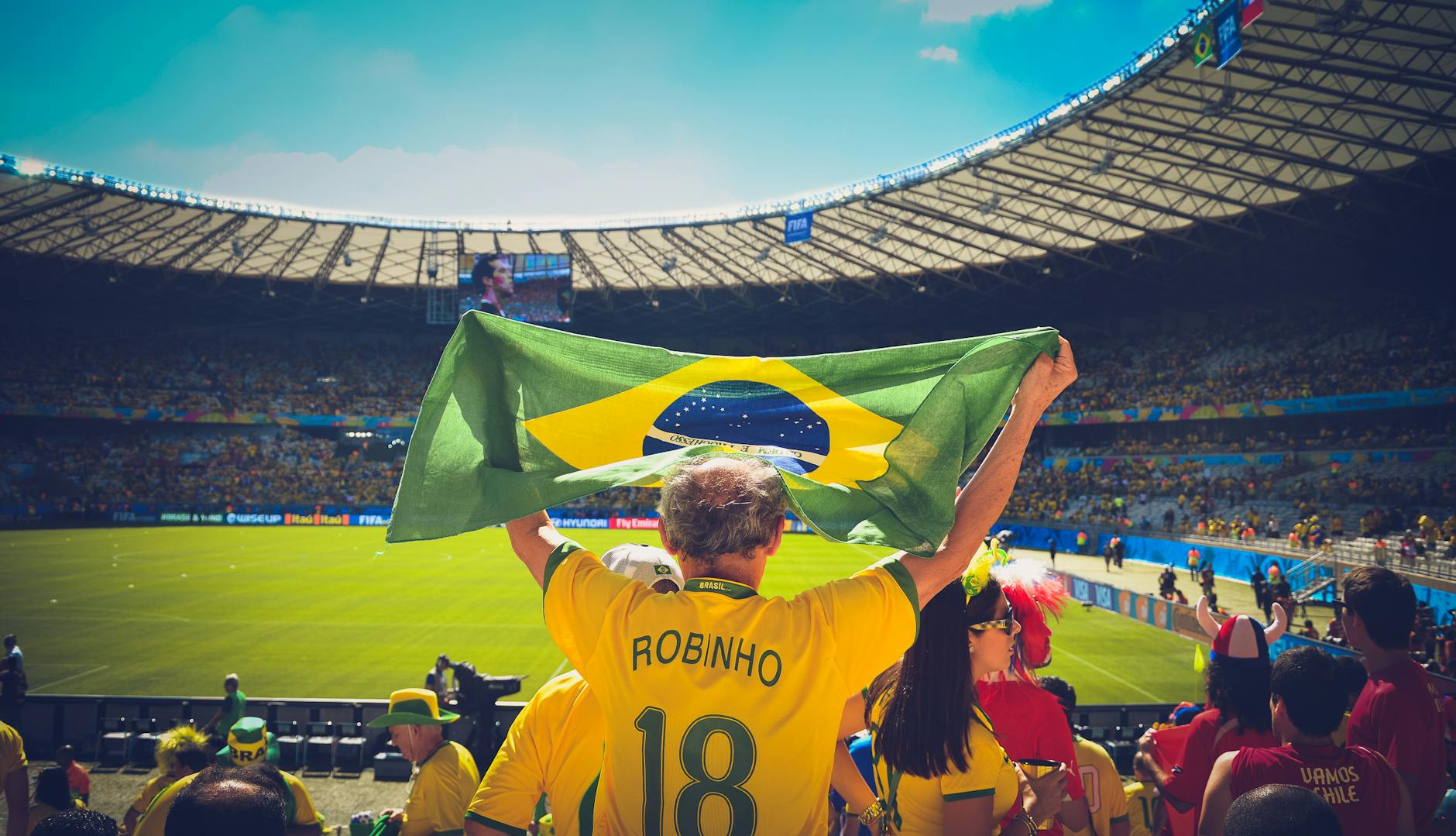
Photo by Caio on Pexels
[Internal Link: live betting strategy for international football]
The Final Score & Who Should Pick What
The best 2026 football world cup plan depends on your primary objective: live atmosphere, efficient logistics, historic significance, or betting preparation. Los Angeles is strong for fans who want a full-event ecosystem, Atlanta is sensible for travelers who value venue concentration, and New York New Jersey is the premium choice for final-week spectacle. None of these options is universally better; each carries a different balance of cost, access, and information quality. If your goal is betting, the strongest approach is not simply choosing the biggest match. It is choosing the match where you can interpret team news, tactical incentives, and market movement more accurately than the public.
A balanced decision model looks like this:
- Choose Los Angeles if you want eight-match scale, SoFi Stadium, fan zones, and entertainment depth.
- Choose Atlanta if you want a soccer-focused host city with Mercedes-Benz Stadium and simpler matchday geography.
- Choose New York New Jersey if the final itself is the priority and budget flexibility is high.
- Choose fan zones if you want atmosphere without ticket-market pressure.
- Choose Football Compass if you want tournament coverage that connects tactics, player stats, and betting context.
The contrarian conclusion is that the most expensive match may not be the smartest fan or betting experience. A lower-profile group match with clear tactical stakes can produce better viewing value and more rational betting opportunities than a famous fixture crowded by public money. Therefore, before you book flights, hotels, or match tickets, map your trip around information quality as much as emotion.

Photo by www.kaboompics.com on Pexels
Make your tournament plan with sharper context before prices and narratives move.
Frequently Asked Questions
Q: What is the 2026 football world cup?
A: The 2026 football world cup is the FIFA men’s national-team tournament hosted by the United States, Canada, and Mexico. It will be the first edition with 48 teams, expanding the competitive field and the number of matches. Major host markets include Los Angeles, Atlanta, New York New Jersey, Toronto, Vancouver, Mexico City, Monterrey, and Guadalajara.
Q: How to plan a 2026 football world cup trip?
A: Start by choosing whether your priority is match access, fan-zone atmosphere, city tourism, or betting research. Then compare host cities by venue location, hotel pricing, airport access, and match schedule clustering. For a practical plan, shortlist two cities, monitor ticket phases, reserve flexible lodging, and keep passport or visa requirements updated.
Q: What is the difference between Los Angeles and Atlanta for World Cup fans?
A: Los Angeles offers broader entertainment scale, while Atlanta offers a more compact soccer-city experience. Los Angeles has eight scheduled matches, SoFi Stadium, official fan zones, and the LA Memorial Coliseum fan festival environment. Atlanta centers on Mercedes-Benz Stadium, strong local soccer culture, and easier airport connectivity through Hartsfield-Jackson Atlanta International Airport.
Q: Why might 2026 World Cup betting predictions fail?
A: Predictions often fail when they ignore rotation, group-stage incentives, travel fatigue, and public-market bias. A favored team may rest starters after qualifying early, while an underdog may become more aggressive if goal difference matters. Track confirmed lineups, tactical incentives, and live match data rather than relying only on pre-tournament rankings.
Q: How much does attending the 2026 football world cup cost?
A: Total cost depends on tickets, city, hotel timing, flights, and whether you attend stadium matches or fan zones. Final-week travel in New York New Jersey is likely to be more expensive than some group-stage trips in other host cities. To control cost, compare refundable hotels early, use public viewing events, and avoid building the entire trip around one premium fixture.
Q: Is Football Compass useful for the 2026 World Cup?
A: Football Compass is useful if you want match predictions, team tactics, player stats, and betting-focused tournament coverage. The site is designed for fans following the 2026 World Cup daily rather than casually checking scores. Its value is strongest when used alongside official FIFA updates, confirmed lineups, and responsible gambling limits.