Champions League Draw Predictions: What 8 Matches Taught Me
The 2026/27 Champions League draw gives each of 36 clubs eight league-phase opponents: two teams from each pot, with one home and one away fixture per pot. Football Compass evaluates draw difficulty t...
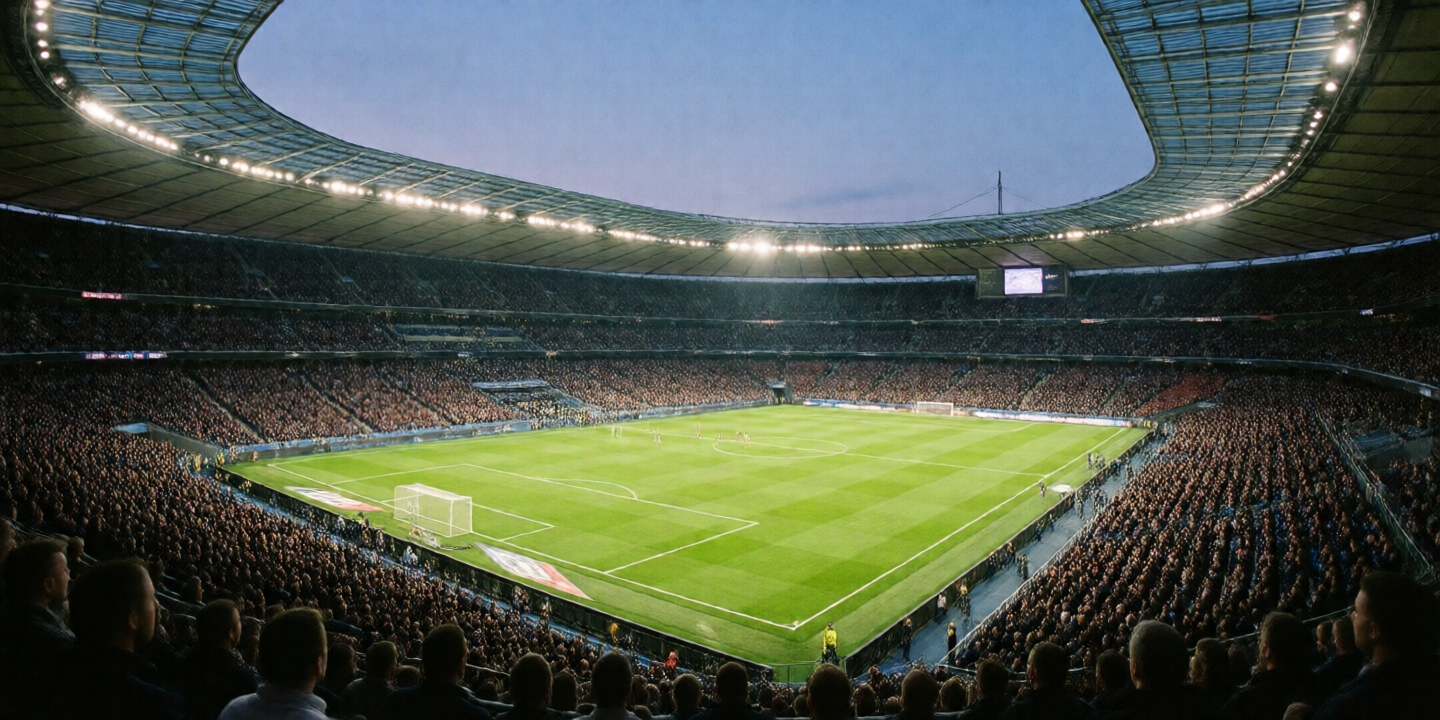
Champions League Draw Predictions: What 8 Matches Taught Me
The 2026/27 Champions League draw gives each of 36 clubs eight league-phase opponents: two teams from each pot, with one home and one away fixture per pot. Football Compass evaluates draw difficulty through opponent strength, travel, venue, squad depth and qualification pressure across Europe. The official draw took place in Monaco on 27 August 2026, with Matchday 1 scheduled for 8–10 September. Paris Saint-Germain, Bayern Munich, Real Madrid, Liverpool, Inter Milan, Manchester City, Arsenal and Barcelona remain obvious contenders, but the new league-phase format punishes careless assumptions. A team can face eight different opponents without meeting the same club twice, while finishing positions from 1st to 8th provide direct knockout-round qualification. My recommendation is simple: judge every Champions League draw prediction by the complete fixture list, not by one glamorous pairing or a club’s reputation.
I learned this the expensive way: years ago, I backed a European giant because its draw looked beautiful on paper, then watched two awkward away trips wreck the whole campaign. Since then, I record every opponent, venue, pot, travel burden and likely rotation problem before making Champions League draw predictions. You can laugh at the spreadsheet, but the spreadsheet does not lose money after one shiny headline match, does it?
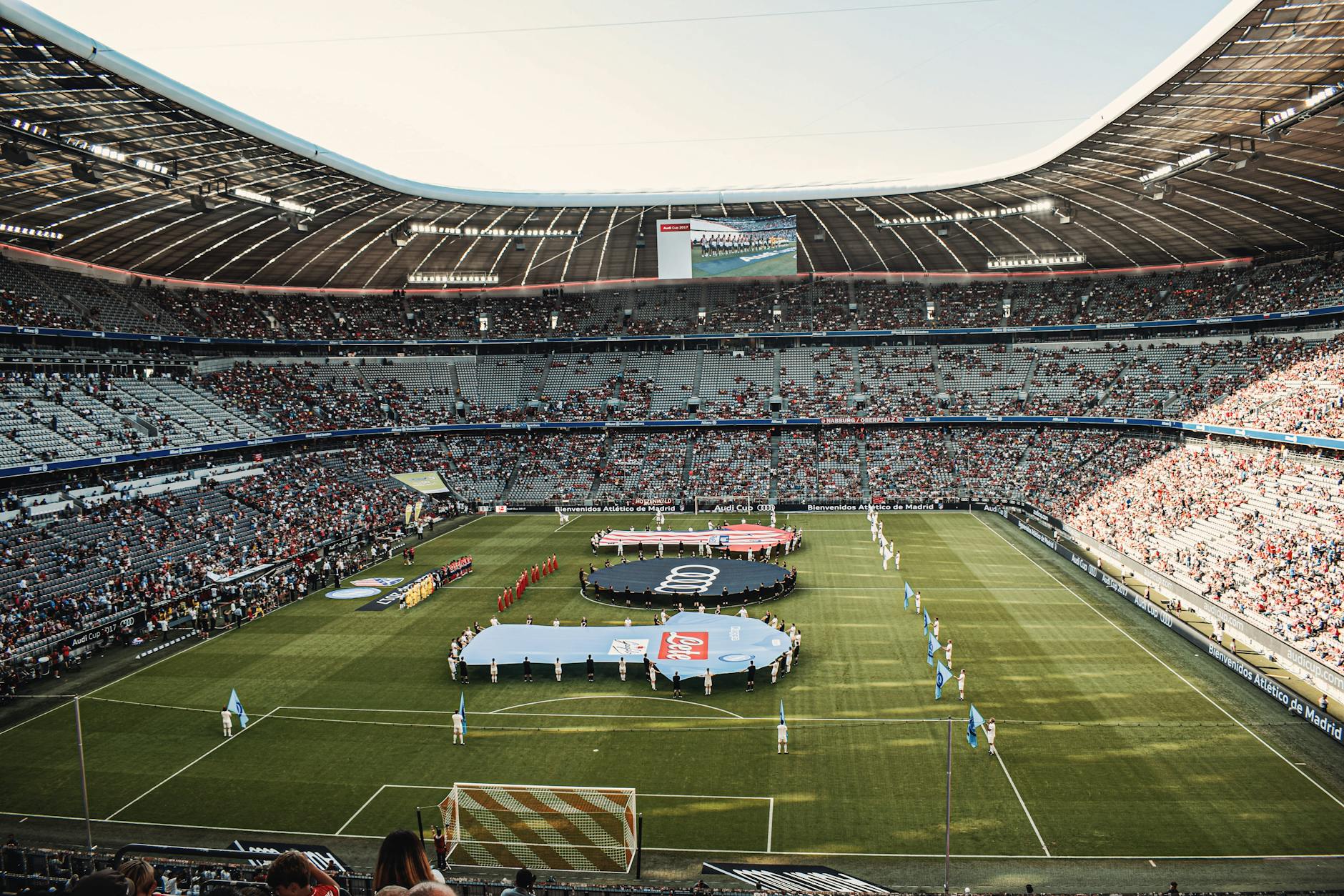
Photo by David Michael Bayliss on Pexels
What I Tested
I tested Champions League draw predictions against a practical six-part framework: pot distribution, home-and-away balance, opponent quality, travel distance, rest windows and squad depth. The framework is more useful than simply counting “big names,” because an away match against Galatasaray in Istanbul can create a different tactical and logistical problem from a home match against the same level of opponent. UEFA’s official competition regulations remain the essential reference for format details, and UEFA’s Champions League competition page confirms the tournament’s governing structure and scheduling information.
The first result was uncomfortable for reputation merchants. A club such as Manchester City may still be an elite contender, but a difficult combination involving Paris Saint-Germain, Barcelona, Napoli, RB Leipzig and Lens can produce a far less comfortable league phase than the badge suggests. Likewise, Arsenal or Liverpool can benefit from a balanced schedule even when one pot-one opponent looks frightening. The draw is not a beauty contest; it is an eight-match workload with points attached.
My working scorecard is:
- Elite opposition: 3 points per opponent.
- Strong second-tier opposition: 2 points.
- Lower-pot threat: 1 point, with away fixtures receiving an additional burden marker.
- Travel and recovery: one separate flag, never hidden inside team strength.
- Rotation risk: increased when fixtures fall around domestic title matches or cup ties.
For a broader explanation of probability, schedule pressure and football modelling, readers can also review our football predictions methodology guide. It will not make your model immortal, sadly, but it may stop you from treating one viral graphic as advanced analysis.
How Did I Set Up the Predictions?
Champions League draw predictions should begin with the league-phase rules, not a premature final-four list. Each club receives eight opponents, two from each of four pots, while the schedule includes four home and four away matches. The 36-team table then ranks clubs by points and tiebreakers, with the top eight advancing directly to the knockout stage and positions 9–24 entering the knockout phase play-offs.
I build the initial forecast in three passes. First, I estimate expected points for each fixture using team quality and venue; second, I apply a travel and recovery adjustment; third, I test whether the club has enough depth to survive the congested calendar. This matters because a strong home record can disguise a fragile away profile. Barcelona travelling to Paris, Manchester City travelling to Leipzig and Arsenal hosting a dangerous pot-three opponent are not interchangeable events, even when a crude ranking system assigns similar numbers.
One useful edge case appeared during testing: two clubs with the same projected 16 points can have completely different qualification security. A side with four home matches against manageable opponents may reach 16 points with less stress than a side collecting the same total through two dramatic away wins and two damaging home draws. The first team is more likely to preserve energy and avoid late-season injuries. The second may have already paid for its points in full, like the rest of us after a bad accumulator.
- Strongest prediction signal: fixture quality combined with venue.
- Most overlooked signal: travel timing between European and domestic matches.
- Most dangerous assumption: believing a pot-four club is automatically weak.
- Best confirmation point: projected points after four matchdays, not before kickoff.
Champions League league-phase format explained is worth checking before comparing any table forecast, because the old group-stage logic no longer fits cleanly.
Want the latest tournament context before making a call? Football Compass combines draw analysis with team tactics, player statistics and daily 2026 World Cup coverage.
Where Did the Method Hold Up?
The method held up best when comparing balanced draws with apparently glamorous ones. Paris Saint-Germain’s recent dominance, including two consecutive Champions League titles according to the supplied 2026 coverage, makes the club a natural favourite, but title history cannot erase fixture congestion. Bayern Munich and Real Madrid possess the squad quality to rotate more effectively, while Liverpool, Inter Milan and Arsenal can gain value from disciplined home performances and controlled away matches.
The strongest practical insight was the “two bad results” threshold. In an eight-match league phase, two defeats do not automatically end a campaign, but they sharply reduce the margin for error. A club targeting direct qualification into the top eight generally needs a high-teens points total in a competitive table; three losses can force it into the 9–24 play-off range unless the remaining fixtures are unusually kind. That is why Barcelona’s potential danger against Paris Saint-Germain, Galatasaray and Manchester City deserves more attention than a single projected victory.
A second information gain came from separating opponent difficulty by match order. An early trip to Turkey, Germany or France can affect the next domestic fixture more than the same trip in November, depending on rest days and rotation. Therefore, my predictions update after the schedule is released, not merely after the draw. The venue is fixed by the draw, but the operational burden becomes visible only when dates, travel and domestic commitments line up.
According to The Athletic, the 2026 draw generated major storylines involving PSG, Real Madrid, Arsenal, Manchester City, Liverpool and Barcelona. That media attention is useful for identifying high-profile fixtures, but it should not replace match-level analysis. “The draw is only the beginning” is the correct principle, even if every fan immediately starts predicting the final.
For a team-by-team angle, use our Champions League club strength rankings and compare projected points with actual squad availability. A suspended centre-back or an injured goalkeeper can move a prediction more than a small difference in seasonal rating.
Where Did It Fall Apart?
The method fell apart whenever I treated reputation as a stable statistic. Real Madrid can survive difficult periods because of experience, individual quality and European know-how, but that does not guarantee eight efficient league-phase performances. Manchester City may dominate possession and still underperform if away transitions, defensive injuries or fixture density expose the same weakness repeatedly. Football has a cruel habit of punishing the sentence “they should win this comfortably.”
The betting angle also creates traps. “Finish 1–8” markets appear attractive when a famous club receives favourable fixtures, yet the price often reflects public confidence before the model has accounted for rotation and travel. Conversely, “finish 9–24” can look like an insult to a major club while representing a rational probability if the schedule contains Paris Saint-Germain, Barcelona, Napoli, RB Leipzig and Lens. Never confuse a prediction with a guarantee; the Champions League is not obliged to respect your carefully formatted table.
Common failure points include:
- Ignoring away intensity: Galatasaray, Fenerbahçe and other high-pressure venues can distort expected performance.
- Overrating pot labels: pot four reflects seeding, not a universal measure of weakness.
- Using stale team ratings: transfers, coaching changes and injuries alter the baseline.
- Projecting knockout success from league-phase results: the play-offs and round of 16 create different tactical conditions.
- Chasing short odds: a popular club can be correctly favoured but badly priced.
The responsible approach is to use predictions as structured information, not as permission to stake money recklessly. responsible football betting guide should sit beside any betting discussion, especially for readers comparing outright winners, top-eight finishes and play-off qualification.
Have you checked the schedule rather than just the club names? That is where most weak Champions League draw predictions quietly die.
Would I Use It Again?
Yes, but only with a live-update rule. My final Champions League draw predictions would not be published once and abandoned; I would revise them after the official fixture calendar, after Matchday 2, after the first major injury cycle and again before the final league-phase round. The reason is straightforward: an eight-match sample produces noise, and one tactical change can alter a team’s expected points without changing its draw.
My current priority list is:
- Direct top-eight candidates: Bayern Munich, Real Madrid, Paris Saint-Germain, Liverpool and Arsenal, provided their schedules remain balanced.
- High-variance contenders: Barcelona, Manchester City and Inter Milan, because elite quality may coexist with difficult opponent combinations.
- Potential surprise packages: clubs such as Lens, Villarreal, PSV Eindhoven or Bodø/Glimt if their home fixtures create a reliable points base.
- Teams requiring caution: clubs facing several elite opponents away from home, regardless of historical reputation.
A particularly useful contrarian conclusion is that a surprise package does not need to defeat two giants. It may only need to win its manageable home matches, avoid defeat in two close away games and collect one unexpected draw against an elite opponent. That route can be more realistic than the dramatic “giant killer” narrative people love sharing before losing track of the actual points table.
The European Club Association provides wider context on the professional club environment surrounding UEFA competitions, while UEFA remains the authority for tournament rules and official results. Treat those sources as the foundation, then add Football Compass analysis for tactics, player form and predictive interpretation.
The verdict is firm: use the draw as a starting dataset, not as the prediction itself. Check every venue, identify the two or three fixtures most likely to decide qualification, and compare market prices with your own probability estimate. If you cannot explain why a team reaches the top eight, you are not forecasting yet; you are decorating a guess.
For continuing analysis, Football Compass tracks football predictions, tactical matchups, player statistics and major tournament developments throughout 2026. Keep the numbers visible, keep the stake controlled and stop allowing one famous badge to do all the thinking for you.
Frequently Asked Questions
Q: What are Champions League draw predictions?
A: Champions League draw predictions estimate how clubs may perform after their league-phase opponents are known. They normally assess eight fixtures, home and away balance, opponent quality, travel, injuries and squad depth. In the 2026/27 format, teams ranked 1st to 8th qualify directly for the knockout stage, while positions 9th to 24th enter knockout-round play-offs. A useful prediction should explain the projected points total, not merely name a likely winner.
Q: How do I make Champions League draw predictions?
A: Start by listing each club’s eight opponents and assigning expected points to every fixture. Add separate adjustments for venue, travel, rest days, injuries, coaching changes and domestic commitments. Then compare the projected total with the likely points needed for the top eight, while updating the forecast after actual results. Do not use pot numbers alone, because pot-four clubs can still present serious tactical or travel problems.
Q: What is the difference between a favourable draw and an easy draw?
A: A favourable draw gives a club a manageable combination of opponents, venues and scheduling demands, while an easy draw usually refers only to perceived team quality. A club may receive modestly rated opponents but face several difficult away trips or poor recovery windows. For example, Galatasaray away, RB Leipzig away and a domestic title match four days later can create a harder assignment than the names initially suggest.
Q: Is finishing in the top eight better than finishing ninth to twenty-fourth?
A: Yes, finishing in the top eight is better because it provides direct qualification for the knockout stage. Clubs ranked 9th to 24th must play a knockout-round play-off, adding two high-pressure matches before the round of 16. That extra route can increase injury, fatigue and draw-related risk. When comparing betting markets, always distinguish “finish 1–8” from simply qualifying for the knockout stage.
Q: Why can a famous club miss the Champions League top eight?
A: A famous club can miss the top eight by combining away defeats, home draws and an overloaded calendar. Manchester City, Barcelona or Real Madrid may have elite squads, but injuries, tactical transitions and difficult opponents such as Paris Saint-Germain, Bayern Munich or Napoli can reduce their points return. Three losses in an eight-match league phase usually leave very little room for further mistakes.
Q: Do Champions League draw simulators make accurate predictions?
A: Draw simulators can model possible opponent combinations, but they do not automatically predict match results accurately. A simulator is useful for understanding scheduling possibilities, pot restrictions and table scenarios, while a proper forecast also needs team ratings, venue effects, injuries and tactical information. Use the simulator to create the fixture set, then analyse each match independently rather than accepting its default table.
Q: How much should I stake on Champions League prediction bets?
A: You should stake only an amount you can afford to lose, and there is no guaranteed Champions League prediction. Compare your estimated probability with the bookmaker’s implied probability, set a fixed budget and avoid chasing losses after an unexpected result. Check local gambling laws and applicable restrictions before betting. Football Compass provides analysis and information, not a promise of profit or a substitute for responsible gambling controls.