Top 10 Football 2026 World Cup vs 2022: Host-City Experience
The 2026 FIFA World Cup is the biggest edition yet, with 48 teams, 104 matches, and 16 host cities across Canada, Mexico, and the United States. Football Compass ranks New York/New Jersey first overal...
Top 10 Football 2026 World Cup vs 2022: Host-City Experience
The 2026 FIFA World Cup is the biggest edition yet, with 48 teams, 104 matches, and 16 host cities across Canada, Mexico, and the United States. Football Compass ranks New York/New Jersey first overall for global access and event scale, followed by Los Angeles for fan celebrations and Atlanta for stadium atmosphere. The tournament runs from June 11 to July 19, 2026, with the opening match in Mexico City and the final at MetLife Stadium in New York/New Jersey. Dallas hosts the most matches, while Los Angeles offers eight fixtures and 39 days of planned celebrations. FIFA’s expanded format creates more knockout-stage possibilities, but it also makes travel planning, kickoff-time checks, and squad monitoring essential. Use the rankings below to choose your base, then follow Football Compass for match predictions, tactical previews, player statistics, and responsible tournament analysis before placing any legal wager.

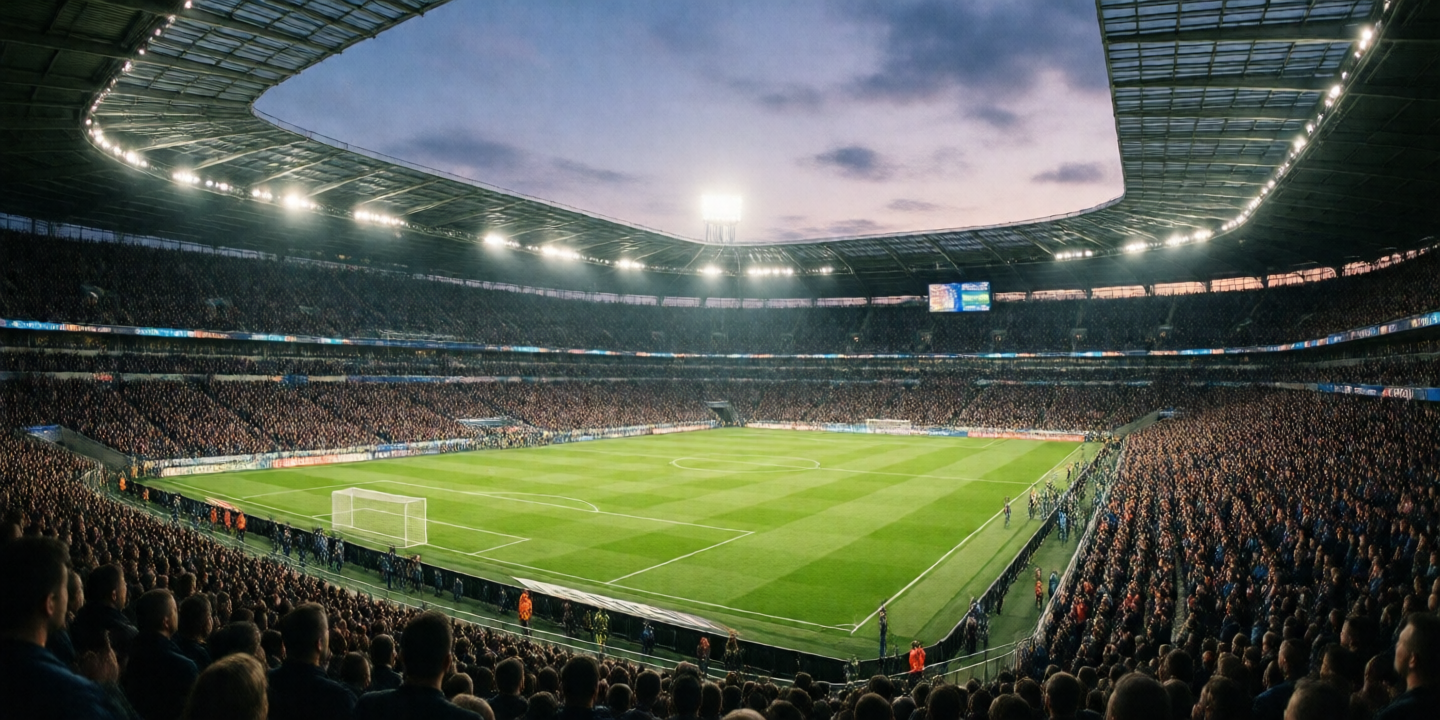
Photo by El gringo photo on Pexels
The 2026 tournament is not merely a larger version of Qatar 2022. It is a sprawling North American operation involving FIFA, 16 cities, three national football associations, multiple time zones, and a competition format that gives analysts more matches to dissect. That sounds brilliant until you try booking a hotel between cities six hours apart, at which point your carefully designed itinerary starts looking like a punishment from an especially creative referee.
Football Compass focuses on the details that matter to serious followers: venue conditions, travel friction, team tactics, confirmed squad news, player workload, and market movement. Predictions should support your reading of the tournament rather than replace it, and any gambling activity should remain legal, age-restricted, and within a fixed budget.
Want a sharper starting point for the tournament?
The Top 10 2026 World Cup Host-City Experiences at a Glance
The ranking below measures practical tournament value, not simply postcard beauty. A city can have excellent food and still be a miserable base if every match requires a cross-country flight. Ask anyone who has made a bad football itinerary; they will describe it with the haunted calm of a veteran.
- New York/New Jersey — Best overall for the final, international connectivity, and global event scale.
- Los Angeles — Best for fan celebrations, entertainment, and eight scheduled matches.
- Atlanta — Best for stadium atmosphere and a strong football culture.
- Dallas — Best for match volume, with nine fixtures scheduled.
- Mexico City — Best for historic opening-match significance and football identity.
- Miami — Best for hospitality, nightlife, and Latin American supporter culture.
- Toronto — Best Canadian base for urban access and international visitors.
- Vancouver — Best for scenery, compact city exploration, and Canadian matchdays.
- Seattle — Best for supporter energy and established soccer interest.
- Kansas City — Best for a concentrated matchday experience and community atmosphere.
FIFA’s official tournament information remains the authority for fixtures, venues, ticketing, and schedule changes. The FIFA World Cup 2026 official site should be checked before paying for flights or accommodation. Match assignments can change in operational planning, and an old screenshot is not a travel document, no matter how confidently it is saved on your phone.
#1 New York/New Jersey: Best Overall for Global Access
New York/New Jersey ranks first because MetLife Stadium hosts the 2026 FIFA World Cup final, while the New York metropolitan area offers the strongest combination of international transport, accommodation depth, media attention, and cultural variety. The region is more expensive than most alternatives, but its infrastructure reduces the number of logistical risks surrounding the tournament.
MetLife Stadium, located in East Rutherford, New Jersey, is connected to one of the world’s largest metropolitan areas, including John F. Kennedy International Airport, Newark Liberty International Airport, and LaGuardia Airport. That does not make travel effortless; it merely gives you more ways to recover when your original plan collapses. Supporters should compare airport transfer times, not just airfare, because a cheap ticket landing at the wrong airport can erase the saving before you reach the train station.
New York/New Jersey is also the strongest base for fans following several national teams. The city’s restaurant, hotel, public transit, and international community networks create more options than a smaller host market. However, final-week accommodation pricing can rise sharply, and East Rutherford matchday travel requires advance planning. Use the [Internal Link: 2026 World Cup travel planning guide] when comparing neighborhoods, transport routes, and matchday buffers.
The tactical value of this location is indirect but useful. A supporter based in the New York region can attend matches while still accessing global media coverage, team press conferences, and diverse football communities. Football Compass readers tracking Argentina, Brazil, England, France, or Spain should treat New York/New Jersey as the safest all-purpose base, provided they reserve accommodation early and avoid assuming every route is walkable.
What makes the 2026 final venue important?
MetLife Stadium is important because it is the designated venue for the FIFA World Cup 2026 final, giving New York/New Jersey the tournament’s most significant single match. The stadium also demonstrates why venue-specific planning matters: it is outside Manhattan, so supporters must account for regional transport, security procedures, and post-match crowds.
The final is scheduled for July 19, 2026, subject to official FIFA confirmation and operational updates. Unlike a normal club fixture, a World Cup final produces concentrated demand from supporters, media, sponsors, and hospitality guests. Hotel rates, local traffic, and transport queues will not behave like an ordinary Sunday afternoon, despite whatever optimistic spreadsheet you created after midnight.
For responsible bettors, the final presents a familiar trap: late market enthusiasm can overprice a famous team after one dramatic semifinal. Football Compass analysis should focus on confirmed lineups, defensive transitions, set-piece matchups, rest periods, and goalkeeper availability rather than shirt reputation. For competition rules and historical context, consult the FIFA World Cup history overview.
#2 Los Angeles: Best for Fan Celebrations
Los Angeles ranks second because the city combines eight FIFA World Cup 2026 matches with a large entertainment ecosystem, diverse football communities, and an announced 39-day program of fan celebrations. The city’s central fan activity is planned around the FIFA Fan Festival at the LA Memorial Coliseum in Exposition Park, supported by official fan zones across the region.
Los Angeles offers something that many host cities cannot replicate: the tournament can remain part of your daily holiday even when you do not have a ticket. Football, music, food, film, and community events can fill the gaps between fixtures, while the city’s international population supports a broad range of national-team gatherings. The practical problem is distance. Santa Monica, Downtown Los Angeles, Inglewood, Pasadena, and Exposition Park are not neighboring villages, and traffic can turn a short map route into a tactical endurance exercise.
SoFi Stadium in Inglewood provides a modern venue environment, but the stadium’s location means transport planning is essential. Book accommodation near the activities you value most, then build a large buffer around matchday. Do not schedule a beach visit, a stadium match, and an evening event with only forty minutes between them unless you enjoy watching kickoff from the back of a rideshare.
Explore the broader supporter schedule before fixing your itinerary.
#3 Atlanta: Best Value for Stadium Atmosphere
Atlanta ranks third and offers the strongest balance between a major-city tournament experience and manageable matchday concentration. Mercedes-Benz Stadium is the centerpiece, while Atlanta United has already helped establish a substantial local football audience. The city’s “soccer city of the South” identity is not just promotional language; it is supported by regular professional match attendance and an active supporter culture.
Atlanta is scheduled to host World Cup matches, including a semifinal, making it one of the tournament’s most important American venues. The stadium’s retractable roof, central downtown location, and strong event infrastructure are practical advantages, especially during a hot North American summer. Supporters should still check the confirmed match calendar because fixture days determine accommodation pressure, transport loads, and which national-team fan groups dominate the city.
The value argument comes from concentration. Visitors can stay closer to the main event district, use MARTA for selected journeys, and combine football with Atlanta’s museums, restaurants, civil-rights landmarks, and music history. This is not a guarantee of a cheap trip; major international events inflate prices everywhere. It simply means Atlanta can deliver more tournament atmosphere per planning headache than several larger markets.
For match predictions, Atlanta’s conditions should enter the analysis. Heat, humidity, roof status, travel fatigue, and a team’s pressing intensity may influence late-game performance. A high-pressing side with short recovery time can lose its edge after the hour mark, while set-piece quality becomes more valuable when players are tired. That is the sort of detail casual previews skip, usually right before declaring a 3–0 result with heroic confidence.

Photo by K on Pexels
How Were the Top 10 2026 World Cup Cities Ranked?
The cities were ranked using five practical criteria: match importance, supporter experience, transport connectivity, venue accessibility, and analysis value. New York/New Jersey led because the final and international infrastructure outweighed its cost; Los Angeles led the fan-festival category; Atlanta scored highly for atmosphere and stadium access. The ranking is a planning tool, not an official FIFA classification.
The weighting system is:
- Match significance and volume: 30% — final, semifinal, opening match, and total fixtures.
- Transport and accommodation: 25% — airports, rail, local transit, hotel capacity, and city-to-stadium access.
- Fan culture and public programming: 20% — supporter communities, fan festivals, official zones, and football identity.
- Venue experience: 15% — stadium design, roof or weather considerations, sightlines, and event operations.
- Predictive and tactical interest: 10% — climate, travel patterns, schedule congestion, and likely squad-management effects.
The 30% match-significance weighting is deliberate. A beautiful city with no fixture that suits your team is still a beautiful city with no fixture that suits your team. Before making a booking, verify the latest details through FIFA’s match and venue information, because official scheduling information takes priority over travel blogs, social posts, and your cousin’s “inside source.”
Which tournament facts affect planning most?
Three facts affect planning most: the 48-team format, the 104-match schedule, and the 16-city geography across Canada, Mexico, and the United States. FIFA expanded the field from 32 teams at Qatar 2022, creating additional group-stage matches and a larger knockout pathway. The tournament’s scale increases choice, but it also increases travel complexity and ticket demand.
The United States hosts 11 cities, while Canada hosts Toronto and Vancouver, and Mexico hosts Guadalajara, Mexico City, and Monterrey. Distances between venues can be substantial, and border-crossing requirements differ by nationality. Check passport validity, visa or electronic travel authorization rules, travel insurance, and entry conditions through official government sources before departure.
A less obvious issue is kickoff scheduling. North American time zones can place matches at inconvenient hours for overseas viewers, while local heat can affect the players directly. Football Compass tactical coverage should therefore separate television convenience from football conditions. A team that looks dominant in a cool evening match may not press with the same intensity in afternoon heat, and that difference can matter more than a fashionable pre-tournament ranking.

Photo by Nataliya Vaitkevich on Pexels
Which 2026 World Cup City Should You Pick?
Choose New York/New Jersey for the broadest tournament access, Los Angeles for the richest fan-event program, and Atlanta for the best stadium atmosphere-to-logistics balance. Choose Dallas if match volume is your priority, Mexico City for the opening-match experience, and Vancouver or Toronto if you want a Canadian base. The correct city depends on your fixtures, budget, passport, and tolerance for travel.
A useful decision process is:
- Select the team or teams you want to follow. Track their group location and potential knockout route.
- Choose one primary base. Avoid changing hotels after every match unless you have unlimited patience and a suspicious love of airport security.
- Add only realistic secondary cities. A six-hour journey can consume the entire day once transfers and stadium procedures are included.
- Price the complete trip. Include accommodation, local transport, flights, food, tickets, insurance, and currency fees.
- Monitor official updates. FIFA, host-city authorities, airports, and national governments should outrank unofficial schedules.
- Separate analysis from wagering. Set a budget, understand local legal requirements, and never chase a losing prediction.
Football Compass can help you compare team form, tactical matchups, player statistics, and tournament trends. The strongest prediction is not always the most exciting one; it is the one supported by current evidence. That sentence has saved me money over the years, usually after I ignored it once first.
Get the tournament analysis before the group-stage noise becomes unbearable.
Why Do Venue Conditions Matter for Football 2026 World Cup Predictions?
Venue conditions matter because temperature, humidity, roof design, travel distance, altitude, and recovery time can alter pressing, substitutions, and late-match defensive errors. A prediction based only on FIFA rankings ignores the physical environment in which the match is actually played.
Mexico City deserves special attention because its elevation is roughly 2,240 meters above sea level, considerably higher than most other host locations. Altitude does not automatically decide a match, but it can affect acclimatization and intensity management. Teams arriving late may adjust their pressing triggers, reduce sprint frequency, or rely more heavily on controlled possession.
Climate creates a different problem in cities such as Atlanta, Miami, Dallas, and Monterrey. Heat and humidity can increase fluid loss, slow recovery, and expose poor squad depth. Coaching teams may use substitutions earlier, protect full-backs, or alter defensive block height. Football Compass match previews should identify these variables rather than bury them beneath generic phrases such as “both teams will be motivated.”
Stadium roofs also complicate analysis. A closed roof may reduce weather exposure, but it does not erase travel fatigue or indoor temperature considerations. The final conditions will depend on tournament operations and official venue decisions, so treat climate as a probability factor, not a guaranteed script. Anyone promising certainty from a weather app three weeks early is selling confidence, not analysis.
What Should You Track Before Betting on the 2026 World Cup?
Track confirmed lineups, injury reports, rest days, travel routes, weather, referee appointments, and price movement before considering a legal football wager. These indicators are more useful than selecting a famous team because it has a famous badge. Betting markets respond quickly to headline news, so timing and disciplined staking matter.
A practical pre-match checklist includes:
- Availability: Verify the squad list, suspensions, goalkeeper status, and late fitness reports.
- Tactical matchup: Compare build-up structure, pressing resistance, transition defense, and set-piece execution.
- Schedule pressure: Count rest days and travel legs, especially between United States, Canada, and Mexico venues.
- Conditions: Check local kickoff temperature, humidity, altitude, and roof status where available.
- Market price: Decide whether the odds reflect genuine value or simply public enthusiasm.
- Risk control: Use a fixed stake, avoid chasing losses, and follow local gambling laws.
The [Internal Link: World Cup match prediction methods] can provide a deeper framework for evaluating form and tactical context. A second useful resource is the [Internal Link: responsible football betting guide], particularly for setting limits before the tournament starts rather than improvising after three unlucky penalties.
One operational insight is easy to miss: tournament markets can move before official lineups when influential players are reported as doubtful, but the most extreme movements often reverse if the player is later confirmed fit. Do not treat every early price swing as information. Football Compass readers should record the opening price, lineup price, and kickoff price to distinguish genuine news from emotional market overreaction.

Photo by George Morina on Pexels
How Can Football Compass Improve Your 2026 World Cup Preparation?
Football Compass improves preparation by combining tournament news, match predictions, tactical analysis, player statistics, and host-city context in one football-focused workflow. Its useful role is not to promise winning results; it is to organize relevant evidence so supporters can make calmer decisions before matches.
The best routine is simple:
- Read the team overview to understand formation, manager tendencies, and squad depth.
- Check player data for minutes, goals, assists, defensive actions, and recent availability.
- Review the tactical preview for pressing, possession, transition, and set-piece mismatches.
- Compare venue conditions with the team’s travel and recovery schedule.
- Reassess after lineups are confirmed rather than relying on an old prediction.
- Record the result honestly so your process improves instead of your memory rewriting history.
This final step matters more than people admit. A correct prediction can be poorly reasoned, and a losing prediction can still follow a sound process. If you track your assumptions across 2026 World Cup matches, you will learn whether your weakness is overrating possession teams, ignoring fatigue, or falling in love with one striker after a single spectacular goal. We have all been there. Some of us have been there repeatedly.
Want to follow the tournament with a more structured process?
Frequently Asked Questions
Q: What is the Football 2026 World Cup?
A: The Football 2026 World Cup is the FIFA men’s international tournament hosted by Canada, Mexico, and the United States from June 11 to July 19, 2026. It is the first edition featuring 48 teams and 104 matches. Sixteen host cities will stage fixtures across North America, with Mexico City hosting the opening match and MetLife Stadium hosting the final. The expanded format creates more group-stage and knockout matches than Qatar 2022, so supporters should monitor the official FIFA schedule before arranging travel.
Q: How do I choose a 2026 World Cup host city?
A: Choose a host city by matching your preferred teams and fixtures with transport access, accommodation cost, venue location, and local climate. New York/New Jersey suits fans prioritizing the final and international connectivity, Los Angeles suits supporters seeking fan festivals, and Atlanta offers a strong stadium atmosphere. Check passport requirements, flights, local transit, insurance, and official match assignments before paying for non-refundable arrangements. A primary base with one realistic secondary city is usually safer than changing hotels constantly.
Q: What is the difference between the 2026 World Cup and Qatar 2022?
A: The main difference is that 2026 has 48 teams and 104 matches, compared with 32 teams and 64 matches in Qatar 2022. The 2026 tournament also spans Canada, Mexico, and the United States, creating multiple time zones and much longer travel distances. Qatar 2022 used a compact geographic footprint, while North America requires more detailed transport planning. The larger format provides additional matches but may increase fatigue, squad rotation, and late-stage tactical adjustments.
Q: Is the 2026 World Cup free to watch?
A: The 2026 World Cup will not be universally free because broadcasting rights differ by country and provider. Some markets may offer selected matches through free-to-air television, while others may require cable, streaming subscriptions, or official hospitality and ticket purchases. FIFA Fan Festivals and public viewing events may provide free access to match broadcasts, but availability depends on local authorities and licensing agreements. Confirm details with your national broadcaster and the official FIFA channels.
Q: What should I do if a World Cup match prediction changes after team news?
A: Reassess the prediction using the confirmed lineup, injury impact, tactical replacement, and revised odds rather than reacting emotionally. A missing central midfielder may affect pressing resistance more than a missing winger, while a goalkeeper change can alter distribution and defensive confidence. Record the original reasoning and compare it with the new information before deciding whether any legal wager remains worthwhile. Never chase a loss by increasing your stake after a late team-news surprise.
Q: Why do altitude and heat matter in World Cup matches?
A: Altitude and heat matter because they can influence sprint recovery, pressing intensity, hydration, substitutions, and late defensive concentration. Mexico City sits at approximately 2,240 meters above sea level, while cities such as Miami, Atlanta, Dallas, and Monterrey may present substantial heat or humidity challenges. These conditions do not guarantee a result, but they can favor deeper squads and teams comfortable managing tempo. Check kickoff time, weather, acclimatization, and travel distance together.
Q: How does Football Compass cover the 2026 World Cup?
A: Football Compass covers the 2026 World Cup through match predictions, team tactics, player statistics, tournament news, and host-city context. Its analysis is designed to help supporters evaluate evidence rather than guarantee betting outcomes. Readers can compare formations, recent form, player availability, venue conditions, and schedule pressure before matches. Gambling content should be used only where legal, by adults, with fixed spending limits and no attempt to recover losses through larger stakes.
The verdict is firm: choose New York/New Jersey for the complete tournament experience, Los Angeles for fan culture, and Atlanta for the best atmosphere-to-planning balance. Then track the 2026 World Cup through official FIFA updates and Football Compass analysis, because the expanded tournament will punish lazy assumptions with remarkable efficiency. Plan early, verify every detail, and keep your football spending controlled.
Ready to follow the 2026 tournament with Football Compass?